Optimizing Tire Pressure on an E-Bike: The Right Air Pressure for Maximum Range and Safety
Your e-bike’s tire pressure directly affects three key factors: your battery’s range, safety on every ride, and the tires’ lifespan. Yet checking tire pressure regularly is one of the most commonly neglected maintenance tasks—with noticeable consequences. Even 0.5 bar too low can increase rolling resistance by up to 15 percent and significantly reduce battery range. Too much pressure, on the other hand, reduces traction and diminishes riding comfort.
E-bikes have specific tire pressure requirements: The increased system weight due to the motor and battery (an additional 8–15 kilograms), higher average speeds, and reinforced tire construction all call for precise pressure adjustment. But what is the correct tire pressure for an e-bike to ensure optimal handling?
The Optimal Tire Pressure for E-Bikes: These Factors Are Key
The ideal tire pressure for an e-bike depends on several factors:
|
Factor |
Factors Affecting Tire Pressure |
|
Tire width |
The narrower the tire, the higher the required pressure |
|
Total Weight |
+10 kg = approximately +0.2 to +0.3 bar required (compared to a standard bicycle) |
|
Background |
Asphalt: higher pressure Gravel and Trails: Lower Pressure |
|
Temperature |
For every 10 °C drop in temperature, approximately –0.1 to –0.2 bar |
|
position |
Rear tire: 0.3 to 0.5 bar higher than the front tire (carries more weight) |
What Tire Pressure Does an E-Bike Need? Comparison Chart for Different Types of E-Bikes
The following values are intended as a guide for a rider weighing 75 kilograms. Adjust the tire pressure according to your weight and the load on the motorcycle:
|
E-Bike Type |
Tire width |
Front tire (bar) |
Rear tire (bar) |
Scope of Application |
|
City E-Bike |
40–50 mm |
3.5–4.0 |
4.0–4.5 |
Asphalt, City Traffic, Commuting |
|
Trekking E-Bike |
40–50 mm |
3.5–4.2 |
4.0–4.7 |
Mixed Terrain, Tours |
|
Electric Mountain Bike |
54–65 mm |
1.8–2.2 |
2.0–2.5 |
Trails, forest paths, off-road terrain |
|
E-Road Bike |
25–28 mm |
6.5–7.5 |
7.0–8.0 |
Asphalt, high speed |
|
Gravel E-Bike |
35–42 mm |
3.0–3.8 |
3.5–4.2 |
Gravel, unpaved paths |
|
Cargo e-bike |
50–60 mm |
3.0–3.5 |
3.5–4.5 |
Heavy load, city |
Important: The manufacturer's specifications on the tire sidewall specify binding minimum and maximum values. You should never go below or exceed these values.
The Consequences of Too Low and Too High Tire Pressure on an E-Bike
The consequences of incorrect tire pressure are wide-ranging and affect both the safety and the cost-effectiveness of your leased e-bike.
|
Pressure too low |
Excessive pressure |
|
❌ Rolling resistance increases by up to 15 percent |
❌ Grip and traction deteriorate |
|
❌ Battery life decreases significantly |
❌ Ride comfort suffers significantly |
|
❌ Increased risk of breakdowns (flat tires) |
❌ Braking distance increases |
|
❌ Tire wear accelerates |
❌ Risk of tire damage increases |
|
❌ The ride feels stiff |
❌ Vibrations put strain on the joints |
How to Check Tire Pressure on an E-Bike—Here's How
Checking tire pressure regularly isn't a complicated task—it just requires the right tool and a little practice. You should check the tire pressure on your e-bike at least once a month, or even more often if you use it intensively or if there are temperature fluctuations. Even without any damage, tires lose about 0.5 to 1 bar per month due to natural diffusion.
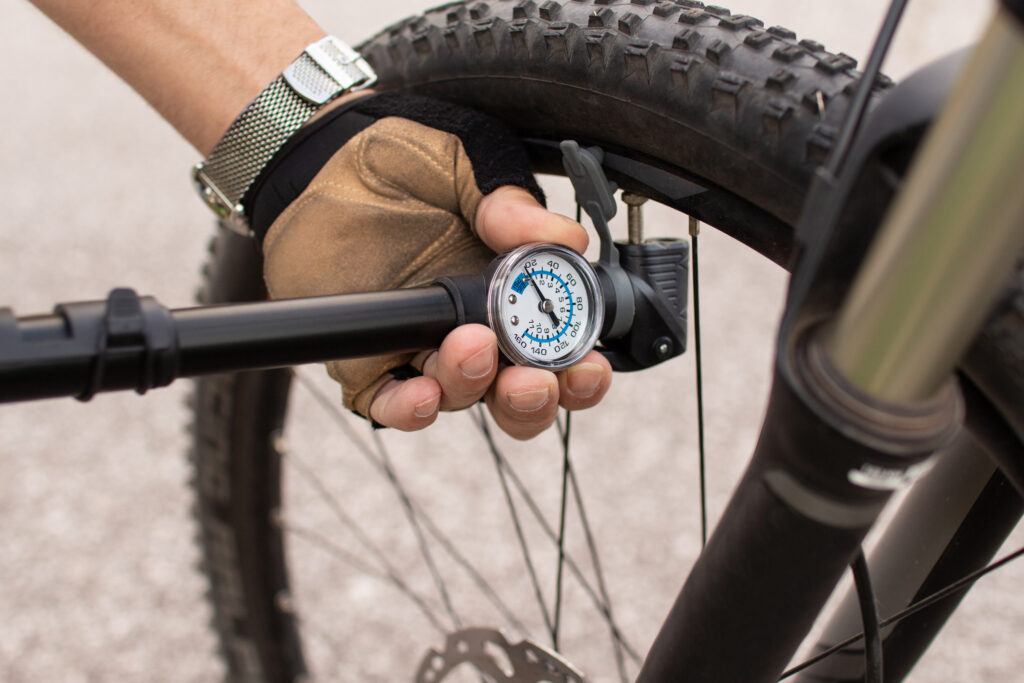
Equipment Required:
- Floor-standing pump with pressure gauge (for home use)
- Mini Pump with Pressure Gauge (On the Go)
- digital pressure gauge (highly accurate)
Step-by-step:
- Check tire pressure before driving (on cold tires)
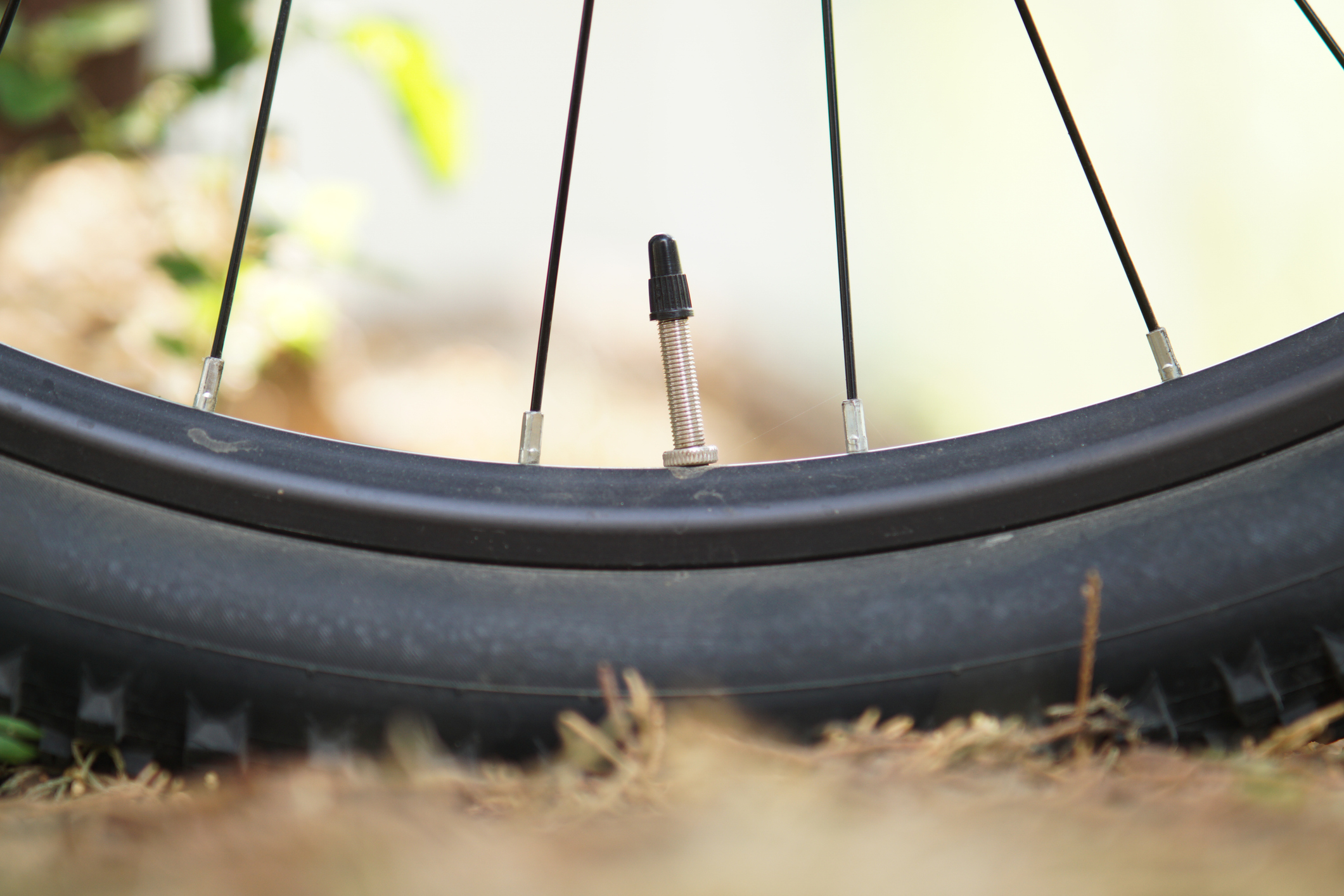
- Remove the valve cap
- For Sclaverand valves: Unscrew the knurled nut
- Attach the pump head and read the pressure
- Re-inflate or let some air out
- Close the valve, put the cap on
Pro Tip: Write down your ideal settings on the pump. That way, you'll always have them handy.
Tire pressure and battery range are directly related
Even 1 bar too little increases rolling resistance by 15 percent. Specifically, this means that over a 50-kilometer distance, your motor will consume the equivalent of about 7.5 kilometers’ worth of additional energy. That’s an extra 75–90 watt-hours of energy consumption, which results in a shorter range.
Optimal tire pressure for an e-bike means:
- minimal rolling resistance
- maximum battery efficiency
- Longer battery life (fewer charge cycles)
- more kilometers per charge
Optimal tire pressure is therefore particularly important for e-bikes if you use the bike intensively: Proper maintenance preserves the bike’s components and maximizes its service life over its entire lifespan or lease period.
Special Considerations for E-Bikes in Winter
If you ride your bike in the winter, you should pay extra attention to your tire pressure.
- For every 10 °C drop in temperature: Reduce tire pressure by approximately 0.2 bar
- Check-ups recommended every 2 weeks
- Pump at a higher pressure to compensate for temperature-related losses
- In snow or ice: slightly reduced tire pressure for better traction
Recognizing Wear: When Do You Need New Tires?
Even with optimal tire pressure, e-bike tires wear out over time. This often happens faster than with non-motorized bicycles. The higher speeds, greater weight, and stronger driving forces put a strain on the material.
During your annual UVV safety inspections, one of the more than 5,000 specialty dealers in the eurorad network will, among other things, assess tire wear and replace the tires if necessary. However, even aside from this professional inspection, you should be aware of the warning signs and check your tires regularly.
|
Signs |
Need for Action |
|
Tread depth less than 1 mm |
Immediate change required |
|
visible cracks in the side walls |
Safety Risk: Replace Tires Immediately |
|
Frequent malfunctions despite correct pressure |
Tire damaged |
|
Carcass visible |
Structure damaged: Replace the tire immediately |
The Optimal Tire Pressure for E-Bikes: A Small Step, a Big Impact
Maintaining the correct tire pressure on your e-bike directly affects safety, comfort, range, and tire life. A monthly check takes only a few minutes, but ensures you get more kilometers per charge, better handling, and less wear and tear.
Follow the manufacturer's guidelines, adjust the tire pressure according to the weight and surface—and if you've leased an e-bike through eurorad, take advantage of the professional service network for optimal maintenance.