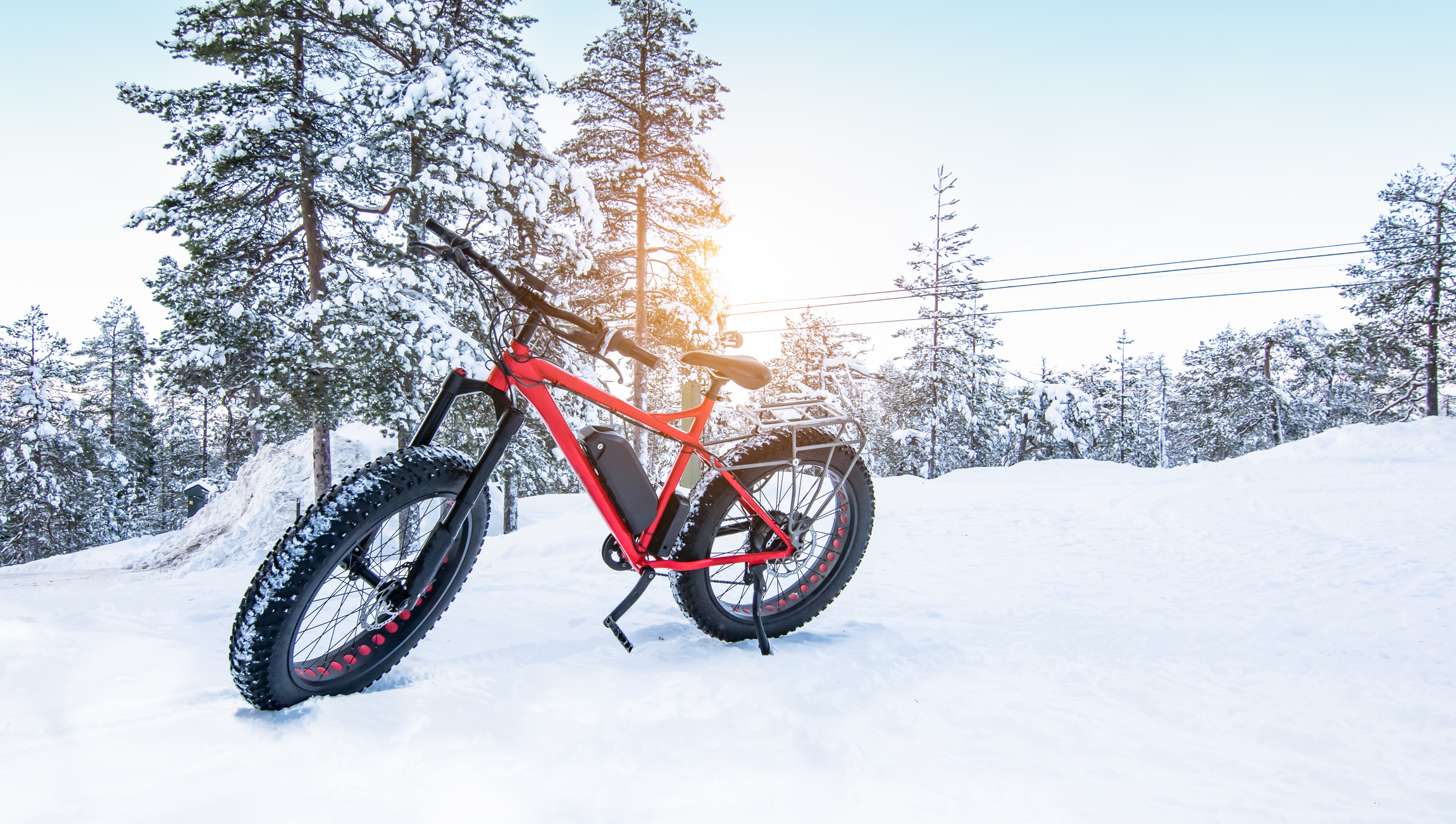
E-Bike Batteries in Winter: How to Keep Your Battery Performing Well Even in Frost and Cold Weather
It’s a gray November morning. Temperatures dropped suddenly overnight, and the thermometer reads –1 °C as you take your e-bike out of the garage. The ride to work is usually a leisurely 12-kilometer trip, but today it’s turning into a test of patience. After just five kilometers, the battery indicator is already flashing red. That’s because your e-bike battery is struggling in the cold. Every year in the fall and winter, thousands of e-bike riders ask themselves the same question: How do I protect my bike’s battery from frost and cold in the winter?
But with the right knowledge, you can stay mobile on your e-bike even in winter. Whether you use your e-bike every day or plan to store it for the winter—proper battery care determines whether you’ll be able to hit the road with full power on your next ride or face an unpleasant surprise.
Why is an e-bike battery so sensitive to cold?
The lithium-ion cells in your e-bike battery have a natural enemy: low temperatures. As soon as the temperature drops below 0 °C, the chemical processes inside the battery slow down. The electrons move more slowly, the internal resistance increases, and the available capacity drops noticeably. What would provide a range of 80 kilometers at 20 °C shrinks by 30–50 percent to 40–55 kilometers at –5 °C.
Even more critical: If you charge a cold battery, lithium deposits can form, causing permanent damage to the cells. This process is irreversible.
That’s why the golden rule is: Never connect an e-bike battery to the charger when the outside temperature is below 10 °C. After a winter ride, allow the battery at least two hours to acclimate to room temperature before charging it.
Riding an e-bike in winter: the art of finding the right temperature
For anyone who uses their e-bike even in freezing temperatures, there’s a tried-and-true strategy: Bring your e-bike battery inside your warm home overnight. Removing the e-bike battery in the winter does mean a few extra steps in the morning and evening. But this small routine makes all the difference. A battery that spends the night at a comfortable 18 to 20 °C will start the next morning at full capacity.
This strategy is also worth following during the day: Ideally, take the battery with you to the office or into a heated room. This not only protects it from losing power due to the cold, but also from theft.
While driving, the battery generates heat through its operation and, so to speak, keeps itself running.
More tips for driving in a way that conserves battery power in winter:
- Accelerate gently instead of accelerating abruptly: Avoid sudden surges in power when pulling away.
- Brake with foresight: Use engine braking and avoid sudden braking maneuvers.
- Select a steady pedal-assist setting: A constant load is easier on the battery than constant changes.
- Use a lower assistance level: Pedaling harder puts a more even strain on the battery and also generates body heat.
E-Bike Battery Protection for Winter: A Small Investment, Big Impact
If you ride your e-bike in the winter, it’s worth investing in an e-bike battery cover. These neoprene covers keep the heat in and the cold out. These special covers are available starting at around 20 euros and noticeably extend the life of your battery. They not only protect against temperature loss but also against moisture, snow, and road salt, which can significantly clog the battery’s contacts.
After every winter ride, you should carefully clean your battery. A soft, dry cloth is usually enough to remove slush and salt residue. Pay special attention to the contact points on the battery and on the e-bike itself: Corrosion often starts unnoticed and can lead to malfunctions. For stubborn dirt, use a slightly damp cloth and then let it air dry.
How to Properly Store Your E-Bike Battery for the Winter: Making the Most of the Winter Break
If you're storing your e-bike for the winter, the battery requires special attention. A battery that's stored improperly can be irreparably damaged by spring. However, you can easily prevent this by storing your bike battery properly over the winter.
The ideal storage location is a dry room with a constant temperature between 10 and 15 °C. A basement, an unheated guest room, or a temperature-controlled storage room are perfect. However, avoid unheated garages (below 0 °C) as well as overheated boiler rooms (above 25 °C). Extreme temperatures can damage lithium-ion cells.
Before storing your e-bike battery for the winter, charge it to about 40–70 percent. This moderate charge level is ideal for lithium cells during extended periods of inactivity. A fully charged or fully discharged battery ages significantly faster. Check the charge level about every six to eight weeks: Batteries slowly lose energy even when not in use. If the charge drops below 20 percent, recharge it until it reaches 70 percent again.
Fall Inspection and Professional Maintenance at a Partner Workshop
Before the first frosty nights set in, it’s a good idea to get your bike checked out at your trusted bike shop. The experts will check your brakes, lights, tire pressure, and drivetrain—and assess the condition of your battery. With eurorad, you have access to over 5,000 partner shops nationwide.

E-Bikes in Winter: How to Protect the Battery
The most important rules for your e-bike battery in winter:
- Never charge at temperatures below +10 °C: Allow the battery at least two hours to warm up to room temperature.
- Store at 10–15 °C: Keep the charge level between 30 and 60 percent.
- Keep your battery in a warm place: This applies even during the day at the office.
- Drive smoothly: Anticipatory acceleration and braking save energy.
- Charge it regularly: Even in winter, your e-bike battery benefits from occasional charging cycles rather than sitting idle for months on end.